News, Insights & Performance Updates

Stay connected with the latest GMX7 announcements, strategic partnerships, event sponsorships, media coverage, and industry developments shaping the future of Precision Aquatic Resistance Training.

THE FUTURE OF SWIM PERFORMANCE STARTS HERE

GMX7 is helping redefine how athletes train for power, propulsion, efficiency, and control in the water. This is where you’ll find the latest company news, product updates, event announcements, athlete stories, and educational content designed to help swimmers, triathletes, coaches, and open water athletes train smarter and perform stronger.

Maximizing Swimming Performance with Resistance Training

Maximizing Swimming Performance with Resistance Training

The integration of swimming and resistance training is not merely about achieving faster times or building muscle; it's about creating a resilient body capable of adapting to stresses and thriving. This approach embodies the concept of anti-fragility, where the system (in this case, the athlete's body) not only resists stress but also uses it as a catalyst for growth and improvement. Through purposeful training, swimmers can enhance their performance, prevent injuries, and improve their overall health, leading to a more durable and adaptable athlete. The Purpose Behind the Training Boosted Swimming Performance Through Specific Training: Resistance training tailored for swimmers, especially with a focus on high-velocity and force, significantly enhances sprint performance and stroke efficiency. Low-volume, high-intensity resistance training programs are optimal for improving stroke length and rate, crucial for competitive swimming success (Crowley, Harrison, & Lyons, 2017). Enhanced Physiological Health Benefits: Resistance training transcends the boundaries of physical performance, offering reductions in body fat, increased muscle strength, improved blood pressure, blood lipid profiles, and enhanced glucose metabolism. These systemic health benefits lay the foundation for a stronger, more resilient body capable of withstanding the demands of intensive training and competition (Kraemer, Ratamess, & French, 2002). Reduced Risk of Injuries: Incorporating resistance training into a swimmer's regimen not only augments performance but also plays a pivotal role in injury prevention. By promoting growth in muscle, tendon strength, and enhancing joint stability, athletes can enjoy a more robust framework, reducing the likelihood of common swimming-related injuries (Fleck & Falkel, 1986). Improved Insulin Sensitivity and Metabolic Rate: Swimming, complemented by resistance training, has been shown to improve insulin sensitivity and increase the metabolic rate. This not only aids in maintaining optimal body composition but also supports overall metabolic health, crucial for long-term athletic performance and well-being (Ghiasi et al., 2015). Swimming combined with resistance training offers a comprehensive approach to improving athletic performance and physiological health. By focusing on specific, high-intensity workouts and acknowledging the benefits beyond the pool, athletes can achieve a state of anti-fragility, where they not only withstand the rigors of their sport but thrive in them. To create resilient swimmers using the GMX7 Training products, we can design a comprehensive swim training program that incorporates resistance training with the aim of enhancing performance, physiological health, reducing injury risk, and improving metabolic health. The GMX7 Training products, such as the X1-PRO, a compact, powerful resistance training device, can be integrated into various stages of a swimmer's training regimen. Here's how you could structure such a program: Boosted Swimming Performance Through Specific Training Scenario: During the early season, focus on building sprint performance and stroke efficiency through high-velocity resistance swims. Using the GMX7 X1-PRO, swimmers can perform short, intense intervals of 25 to 50 meters with high resistance, followed by equivalent distances at low resistance or passive recovery. This simulates the high-intensity effort of competitive swimming and enhances stroke power and efficiency. Frequency: 2-3 times a week, integrating these high-intensity sessions into the overall training plan without overloading the swimmers. Enhanced Physiological Health Benefits Scenario: Alongside pool training, incorporate dryland resistance exercises targeting core strength, muscular endurance, and stability. Use resistance bands or weights for exercises such as squats, lunges, and upper-body workouts (pull-ups, push-ups) that complement the swimming motion. These activities support muscle growth, fat reduction, and cardiovascular health. Frequency: 2-3 times a week, ensuring adequate rest between sessions to foster recovery and muscle growth. Reduced Risk of Injuries Scenario: Focus on exercises that strengthen the shoulders, hips, and core—areas prone to injuries in swimmers. Utilize the GMX7 resistance devices to perform targeted movements that mimic swimming strokes, improving muscle balance and joint stability. For example, shoulder external rotation exercises with resistance bands can be particularly beneficial. Frequency: Include these exercises in the warm-up or cool-down phase of every training session to ensure consistent attention to injury prevention. Improved Insulin Sensitivity and Metabolic Rate Scenario: Combine swimming sessions with short, high-intensity interval training (HIIT) on land to improve metabolic rate and insulin sensitivity. For instance, after a swimming session, swimmers can perform a 20-minute HIIT circuit, including activities like sprints, burpees, and jump squats, to boost their metabolic rate. Frequency: 1-2 times a week, carefully monitoring the swimmers' recovery and energy levels to prevent overtraining. By strategically integrating GMX7 Training products into these specific scenarios, swimmers can achieve enhanced performance, better health outcomes, reduced injury risk, and improved metabolic health, leading to a more anti-fragile athletic condition.

Read More →
Elevate Your Coaching with an Athlete Mentality Advantage

Elevate Your Coaching with an Athlete Mentality Advantage

Hey coach, ready to take your swimmers to the next level? When you step onto your deck, you're not just a coach; you're part of the team, diving deep into the challenges and triumphs with your athletes. Empathizing with an athlete mentality can redefine success for you and your team, pushing everyone to break through their limits. Benefits of Embracing an Athlete Mentality Boosting Motivation: Understanding your swimmers' challenges from an athlete's perspective fuels their motivation and commitment. It’s about being in the game with them, supporting their journey, and celebrating their victories, big and small. This shared commitment fosters a powerful motivation that drives athletes to new heights (Mageau & Vallerand, 2003). Strengthening Relationships: Quality coaching goes beyond techniques and tactics; it’s built on trust and mutual respect. With an athlete mentality, you become more than a coach—you're a mentor and ally. This strong bond is a cornerstone of athletic excellence, transforming good swimmers into great ones (Jowett, 2017) Enhancing Mental Support: Knowing the mental battles athletes face allows you to provide targeted psychological support. During high-pressure moments, your understanding and guidance can be the key to helping them maintain focus and resilience, empowering them to perform at their best (Bissett, Kroshus, & Hebard, 2020). Developing Mental Skills: Mental toughness is as crucial as physical training. Introducing strategies like goal setting, visualization, and concentration can significantly enhance an athlete's performance. These skills help swimmers master their mental game, setting them up for success in every race (Olusoga, Maynard, Butt, & Hays, 2014). Transforming Potential into Performance Adopting an athlete mentality isn't just about changing how you coach; it's about changing how you see and interact with your swimmers. By fully engaging with the psychological and motivational aspects of their training, you're not just pushing them towards their next personal best—you're helping them redefine what they believe is possible. Let’s dive into this transformative journey together, reshaping the way we think about training, living, and winning.

Read More →
Unlocking Swimming Potential with Immediate Feedback

Unlocking Swimming Potential with Immediate Feedback

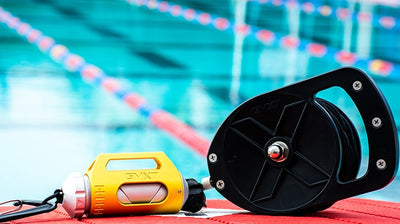
Swimming, an intricate blend of coordination, strength, and endurance, serves as an exemplary model for examining the advantages of motor learning and the profound impact of immediate feedback. The integration accelerates the mastery of complex skills but also reinforces the swimmer's resilience, or anti-fragility, in the face of challenges. These science-backed methodologies enable swimmers to optimize their performance through precise skill acquisition, enhanced cognitive functions, and psychological well-being, embarking on a journey of continuous improvement and mastery in their aquatic endeavors. Enhanced Skill Retention and Accuracy A study by Sullivan, Kantak, and Burtner (2008) revealed that motor learning, particularly in children, benefits from immediate feedback, although its frequency and timing need careful adjustment. Their research suggested that while adults could benefit from reduced feedback, children showed improved performance with consistent feedback, indicating that immediate feedback can enhance skill retention and accuracy when tailored to the learner's developmental stage (Sullivan, Kantak, & Burtner, 2008). Optimization of Motor Performance through External Focus The concept of external focus in feedback has been shown to significantly improve motor learning outcomes. Shea and Wulf (1999) demonstrated that instructions and feedback promoting an external focus of attention (on the effects of movements rather than the movements themselves) enhanced learning in balance tasks. This finding is pivotal for swimming, where focusing on the effects of one's movements on water can lead to more efficient skill acquisition and refinement (Shea & Wulf, 1999). Positive Psychological and Cognitive Outcomes A study by Silva et al. (2019) on children with Attention Deficit Hyperactivity Disorder (ADHD) undergoing a swimming program illustrated not only improvements in motor coordination but also significant benefits in mental health parameters, cognition, and even academic performance. This underscores the multifaceted benefits of motor learning in swimming, extending beyond physical abilities to embrace psychological resilience and cognitive agility (Silva et al., 2019). Immediate Verbal Feedback for Technique Improvement Immediate verbal feedback has been identified as a powerful tool for enhancing swimming technique. Zatoń and Szczepan (2014) found that such feedback significantly improved stroke length and swimming velocity. By providing swimmers with real-time corrections and cues, coaches can directly influence the efficiency of swimming strokes, leading to quicker mastery and reduced energy expenditure (Zatoń & Szczepan, 2014). Using the insights from the mentioned studies, we can create specific scenarios incorporating products from GMX7Training, such as the X1-PRO or other swim training tools they offer, to implement a swim training program focused on resilience and mastery. These scenarios aim to incorporate enhanced skill retention and accuracy, optimization of motor performance through external focus, positive psychological and cognitive outcomes, and immediate verbal feedback for technique improvement. Enhanced Skill Retention and Accuracy with the X1-PRO Objective: Use the X1-PRO to provide consistent, immediate feedback to swimmers, focusing on the developmental stage of the learner. Implementation: For Children: Utilize the X1-PRO to create a feedback loop that offers consistent resistance and allows for immediate correction and encouragement by the coach. Adjust the resistance levels according to the swimmer's age and skill level to ensure the feedback is developmentally appropriate. For Adults: Introduce intervals of reduced feedback where swimmers rely on their proprioception and internal feedback mechanisms to refine their technique, interspersed with sessions using the X1-PRO for specific technique correction. Optimizing Motor Performance through External Focus Objective: Leverage the X1-PRO to encourage swimmers to focus externally on the effects of their movements on the water. Implementation: Exercise Setup: Design drills that emphasize the impact of the swimmer's actions on the resistance provided by the X1-PRO. For example, have swimmers focus on how changing their hand position alters the tension felt from the device, which simulates the effect of their movement through water. Feedback Focus: Coaches should provide feedback that highlights the relationship between the swimmer's technique and the resistance or ease they experience with the X1-PRO. This can help swimmers understand how their movements affect their efficiency in the water. Positive Psychological and Cognitive Outcomes Objective: Use swimming training, enhanced by the X1-PRO, as a means to improve mental health, cognition, and potentially academic performance. Implementation: Structured Program: Develop a swimming program that includes clear goals, progress tracking, and varied workouts with the X1-PRO to keep swimmers engaged and motivated. Incorporate Cognitive Challenges: During training sessions, include exercises that require swimmers to adjust their technique or strategy based on verbal cues or visual signals, thereby enhancing cognitive agility alongside physical training. Immediate Verbal Feedback for Technique Improvement Objective: Utilize the X1-PRO in conjunction with real-time, verbal feedback from coaches to improve swimming technique efficiently. Implementation: Direct Observation: Coaches can use the portability of the X1-PRO to position themselves in optimal locations around the pool for observing swimmers and providing immediate feedback. Feedback Cues: Develop a system of concise, actionable feedback cues that coaches can use to communicate with swimmers while they are training with the X1-PRO. This might include short phrases or keywords that remind the swimmer of previously discussed techniques or adjustments. By integrating these scenarios into a swim training program, coaches can leverage the unique capabilities of GMX7Training products to create a comprehensive training environment. This environment will not only focus on physical skill development but also address cognitive and psychological aspects of swimming mastery.

Read More →
The Ripple Effects of Water

The Ripple Effects of Water

The human brain's remarkable capacity to adapt and evolve is beautifully illustrated in the realm of physical exercise and experiential learning. Among the vast array of activities beneficial to the brain, swimming emerges as a uniquely powerful modality that not only fosters neuroplasticity but also offers a host of cognitive, emotional, and physical benefits. Swimming: A Catalyst for Enhanced Brain Plasticity Boost in Neurogenesis and Neural Plasticity: Sustained swimming exercise has been directly linked to enhanced neurogenesis in the subventricular zone and increased levels of nerve growth factor (NGF) and synapsin I in the olfactory bulb of adult humans. This exercise regimen has been shown to significantly increase the number of neural progenitor cells and support their survival, indicating a profound impact on brain plasticity (Chae et al., 2014). Elevation of Neurotrophic Factors: Swimming exercises induce the release of brain-derived neurotrophic factor (BDNF) and synaptotagmin, crucial for supporting cognitive functions and neural health. These neurotrophic factors play a pivotal role in neuronal survival, neurite outgrowth, and synaptic plasticity, underpinning the cognitive benefits associated with swimming (Mes et al., 2020). Improvement in Mental Health and Cognitive Functions: Swimming has been shown to reverse depression-like behaviors and alleviate neuroinflammation in mice, underscoring its potential to improve mental health outcomes. These benefits are attributed to swimming's ability to enhance CRMP2-mediated neuroplasticity, a critical factor in fostering a healthy, resilient brain (Xie et al., 2022). Enhancement of Learning Ability and Neuroprotection: Swimming has also been found to stimulate hippocampal neurogenesis and enhance the expression of neurotrophic factors like BDNF in humans, which are crucial for cognitive functions and neural health. This is particularly significant as these neurotrophic factors play pivotal roles in neuronal survival, neurite outgrowth, and synaptic plasticity, thus supporting the cognitive benefits associated with swimming (Jiang et al., 2014). The Synergy of Experiential Learning and Neuroplasticity Experiential learning, particularly through engaging physical activities like swimming, harnesses the brain's neuroplastic potential to adapt and evolve. This adaptive capacity supports cognitive rehabilitation, skill acquisition, and overall brain health, laying a foundation for lifelong learning and adaptability. The interplay between physical exercise and cognitive challenge provided by swimming offers a holistic approach to stimulating neuroplasticity, fostering an environment where the brain can thrive. To effectively incorporate the benefits outlined above into a swim training program let's design specific scenarios targeting each benefit. GMX7, known for its resistance swimming technology, can help in structuring exercises that enhance cognitive and physical health through swimming. Boost in Neurogenesis and Neural Plasticity Scenario: Progressive Resistance Training Objective: To stimulate brain plasticity and neurogenesis through incremental resistance swimming. Method: Utilize the GMX7 X1 PRO as the primary training tool. Begin with low resistance settings and progressively increase the difficulty as the swimmer adapts. This approach mirrors the sustained exercise regimen beneficial for brain health. Session Plan: Start with a 10-minute warm-up at low resistance, followed by 20 minutes of interval training where resistance is gradually increased every 2 minutes. Conclude with a 10-minute cooldown at low resistance. Perform this training 3 times a week. Elevation of Neurotrophic Factors Scenario: High-Intensity Interval Training (HIIT) Objective: To induce the release of BDNF and synaptotagmin, enhancing cognitive functions and neural health. Method: Incorporate the GMX7 resistance system to facilitate high-intensity bursts followed by brief recovery periods. This type of training is known to boost the production of neurotrophic factors. Session Plan: After a warm-up, execute sets of 30-second sprints at high resistance with 1-minute low resistance or rest intervals. Repeat for 15 to 20 minutes, followed by a cooldown. Schedule these sessions twice a week. Improvement in Mental Health and Cognitive Functions Scenario: Endurance Swim Sessions Objective: To combat depression-like behaviors and improve mental health through extended, moderate-intensity swim sessions. Method: Using the GMX7 device, set a consistent, moderate resistance that allows for prolonged swimming without exhaustion. This sustained effort promotes mental wellness and cognitive function improvement. Session Plan: Engage in a 30 to 45-minute continuous swim at a moderate resistance level, ensuring the swimmer maintains a steady pace. Include these sessions twice a week, focusing on mindfulness and the rhythmic nature of swimming to enhance the mental health benefits. Enhancement of Learning Ability and Neuroprotection Scenario: Cognitive Challenge Swim Objective: To boost learning ability and neuroprotection by integrating cognitive tasks into swimming workouts. Method: Combine GMX7 resistance swimming with cognitive tasks such as memorizing sequences or solving simple problems before or after sets. This dual-task approach can stimulate cognitive engagement and learning ability. Session Plan: Start with a warm-up, then proceed to a set of 5 x 100 meters at varying resistances, with a cognitive task assigned before each set (e.g., memorizing a sequence of colors or numbers). Between sets, provide brief rest periods to reflect on the task, enhancing cognitive load and fostering neuroprotection. Include these sessions once a week. Implementing the Program This comprehensive swim training program is designed to be implemented over a period, gradually introducing swimmers to more challenging exercises as they adapt. Monitoring progress and adjusting the difficulty level of the resistance and cognitive tasks will ensure the training remains effective and engaging. Incorporating these scenarios into a swimmer's routine can maximize the cognitive and physical health benefits of swimming, leveraging the advanced capabilities of GMX7 training products to enhance neurogenesis, elevate neurotrophic factors, improve mental health, and enhance learning ability and neuroprotection.

Read More →
GMX7 partners with leading organizations, coaches, and performance programs committed to advancing swimming through innovation, education, and athlete development.

Queens University of Charlotte secures 6th straight NCAA Division II Men’s, Women’s Championship, attributes success to the X1-PRO by GMX7

Queens University of Charlotte secures 6th straight NCAA Division II Men’s, Women’s Championship, attributes success to the X1-PRO by GMX7

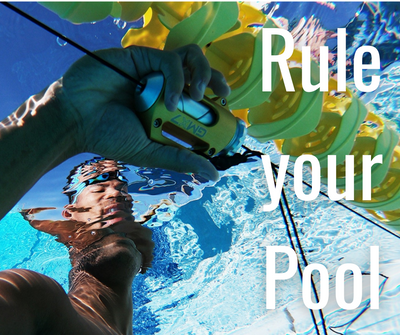
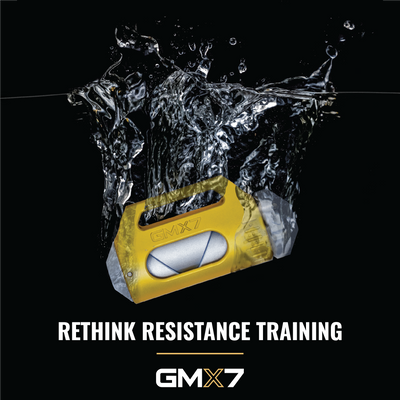
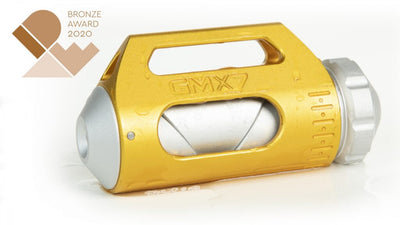
CHARLOTTE, N.C. – Despite a shortened season due to the pandemic, Queens University of Charlotte won both the men’s and women’s NCAA Division II swimming and diving championship for the 6th straight year this past weekend. Queens head Coach Jeff Dugdale credits the X1-PRO by GMX7 as being an asset, providing both feedback and resistance training, which helped his student athletes prepare for competition. “We finally got our entire team back in January,” said Dugdale. “With such limited pool time we had to formulate a different approach to the season and create a training program that would help our athletes swim faster, increase discipline in their lane and prevent injury.” Queens men’s and women’s swim programs started using the X1-PRO in June and incorporates it in their training program twice a week. The X1-PRO is a small, 6-inch-long, resistance training device that weighs less than 4 pounds and clips into the end-point connections for a pool’s lane lines. It can then be connected to the swimmer via a leash and travels on a line back and forth up to 50 meters in length at the adjustable resistance the swimmer desires. “We only have one on campus pool and another that’s three miles away. The X1-PRO is the only tool that’s versatile enough to move between pools and provide countless benefits to our athletes,” said Dugdale. The Queens Royals creative use of the X1-PRO also caught the attention of David McCagg, a 7-time gold medalist, former world record holder and founder of GMX-7.  “Jeff is absolutely one of the top coaches in the world. He’s very innovative and is doing some amazing things with the X1-PRO, taking it to a higher level,” said McCagg. According to Dugdale, they love their X1-PRO’s at Queen’s and use them in very innovative ways. “As my mentor, David Marsh always said, ‘successful coaches must be creative and figure it out,’ “said Dugdale. “We’ve taken the X1-PRO, which is well known by athletes, trainers and coaches for its resistance and started to use it for feedback, helping our swimmers identify crossover in their backstroke or coming out of the water too much in their breaststroke,” said Dugdale. “We had two All Americans this year in the breaststroke and I absolutely see improvements in our swimmers, in and out of the water thanks to the X1-PRO.”  Queens athletes are not the only champions training with the X1-PRO. Currently, more than 75 anticipated Olympians from 15 countries across the world are training on the X1-PRO in hopes of qualifying for the Tokyo Olympics with more to come. From reigning 100-meter butterfly world-record holder and 2-time Olympic gold medalist Caeleb Dressel, to 6-time Olympic gold medalist Ryan Lochte, who holds the world record for the 200-meter individual medley, the X1-PRO, assembled in the USA by GMX7, is quickly becoming a necessity for all levels of competitive swim, especially those collegiate swimmers working so hard to get to the very top of their sport. Development of the X1-PRO began in 2018, and it was tested extensively at the University of Florida prior to becoming available to the general public earlier last year.   About GMX7 Founded in 2018, GMX7 is based in St. Petersburg, Florida and is dedicated to changing the world of swimming by empowering competitive swimmers with the best aquatic resistance training devices ever created. GMX7 was founded by David McCagg, a 7-time gold medalist, former world record holder and winner of multiple national championships. The first device on the market by GMX7 is the X1-PRO. Designed by ROBRADY Engineering, the X1-PRO has already been the recipient of several international awards including the 2020 International Design Excellence Award, 2020 Red Dot Award and most recently the Good Design Award in 2020.   

Read More →
American Record Holder, International Swim League (ISL) breakout athlete Madeline “Maddy” Banic sets sights on Tokyo Olympics by training less, using X1-PRO

American Record Holder, International Swim League (ISL) breakout athlete Madeline “Maddy” Banic sets sights on Tokyo Olympics by training less, using X1-PRO

KNOXVILLE, Tenn. – Madeline “Maddy” Banic, the 18-time all-American NCAA swimmer who earned a neck-load of gold medals while swimming for the University of Tennessee and broke out on the scene for the ISL in 2020, has signed with GMX7 as an ambassador, joining GMX7 ambassador and 4-time Olympian Ryan Lochte with sights on ever bigger aspirations for 2021. Read More

Read More →
Breakthrough after the pandemic with GMX7’s X1-PRO

Breakthrough after the pandemic with GMX7’s X1-PRO

Doing the work was what mattered, and Newton did it as a student in Cambridge before the plague, he persisted he kept going after. The real lesson is to remember whatever aspect of your life that fired your passion before, during and after this mess—and  keep stoking it now.” The same is true with swimming. We must continue to do the work. Some of us haven’t been able to swim. Some of us can only book a lane for a half an hour. Some of us just miss our squad, our strength, and our support. How do we find our way back to not only where we were, but ahead where we left off? Let me introduce you to the X1-PRO. Read More

Read More →
SPIRE athletes gain competitive advantage with GMX7’s new swimming resistance training device

SPIRE athletes gain competitive advantage with GMX7’s new swimming resistance training device

Fort Lauderdale, FL – Competitive swimmers training at SPIRE Academy boarding school are now working out with the X1-PRO, an innovative aquatic resistance training device from GMX7 that is revolutionizing how these athletes train in the water. Read More About Spire & The X1 Pro

Read More →
GMX7 SPONSORS USA TRIATHLON YOUTH & JUNIOR NATIONALS

GMX7 SPONSORS USA TRIATHLON YOUTH & JUNIOR NATIONALS

Learn how GMX7 is helping young athletes develop power, efficiency, and confidence in the water.