THE FUTURE OF SWIM PERFORMANCE STARTS HERE
GMX7 is helping redefine how athletes train for power, propulsion, efficiency, and control in the water. This is where you’ll find the latest company news, product updates, event announcements, athlete stories, and educational content designed to help swimmers, triathletes, coaches, and open water athletes train smarter and perform stronger.

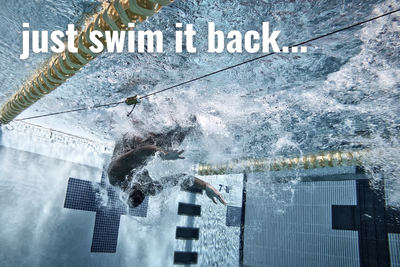
Bidirectional Resistance and Change of Direction in Swimming: “Just swim it back”
In swimming, optimizing performance involves fine-tuning various physical and technical aspects. Among these, bidirectional resistance training and mastering changes of direction during swims are crucial for athletes looking to enhance their abilities and achieve peak performance. The Significance of Bidirectional Resistance Bidirectional resistance, a concept commonly associated with swimming against currents or using devices that increase water resistance, significantly impacts a swimmer’s efficiency and energy expenditure. Studies suggest that swimming in bidirectional cyclical flows, like those experienced in natural water bodies with wave surges, can increase the energetic costs for swimmers by up to 50% compared to steady flows. This higher cost is attributed to the added effort of turning to face the changing direction of flow, which can be particularly challenging during competitive events (Luongo et al., 2020). Change of Direction in Swimming The ability to efficiently change direction during swimming, especially in short course races, correlates significantly with overall performance. A study involving competitive university swimmers demonstrated that while there is a moderate correlation between speed and the ability to change direction, mastering this technique could distinguish higher-level performers from their peers (Noguchi et al., 2004). Training Techniques and Considerations Resisted Swimming Training: Incorporating tools that add resistance can teach stroke mechanics and increase the strength and endurance of swimmers. For example, an 11-week training program with increased resistance resulted in significant improvements in swimming performance, highlighting the effectiveness of such methods in enhancing speed and stroke efficiency without compromising stroke mechanics (Gourgoulis et al., 2017). Technical Training for Turning: Focusing on the mechanics of turning and transitions can reduce time lost during changes of direction. Training should emphasize the coordination and fluidity of movements involved in turning, with techniques tailored to maximize efficiency during these critical moments of a race. Optimal Transfer of Dry-Land Gains to Pool Performance: A study on the transferability of dry-land resistance training to in-water conditions found that swim-specific exercises on ergometers are more effective in enhancing swimming speed compared to traditional resistance exercises. This suggests a high rate of transferability which is crucial for competitive performance (Sadowski, Mastalerz, & Gromisz, 2020). A Focus on Training Innovations "I just felt there needed to be something better and to tell you the truth, I wish I had this." -David McCagg Understanding and implementing training strategies focused on bidirectional resistance and efficient change of direction are key for swimmers aiming to improve their performance. By emphasizing these areas in training regimens, swimmers can enhance their energy management, speed, and agility, leading to better outcomes in competitive settings.
Read More →
Revolutionizing Swimming Strategies with Innovation
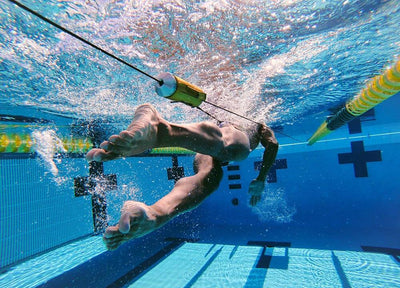
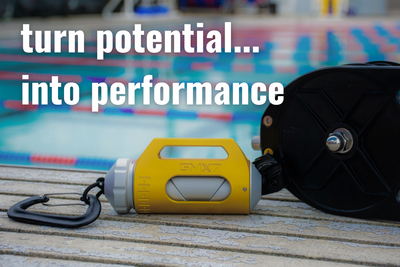
Swimming training is undergoing a revolutionary transformation thanks to the advent of the GMX7 X1 Aquatic Resistance Systems. This innovative product has garnered attention for its use by over 175 Olympians and numerous collegiate swim programs, offering a unique combination of resistance training with the flexibility of swimming freely up to 50 meters. The lightweight and portable design, smooth bidirectional resistance, and instant stroke correction features make it a standout tool in the aquatic sports realm. Here's how science backs the benefits of incorporating resistance training into swimming, leveraging insights from recent studies. Enhancing Strength and Sprint Performance Optimal Transfer from Specific Resistance Training: Research indicates that for resistance training to effectively enhance swimming performance, it should be swim-specific. Programs that focus on low-volume, high-velocity/force are optimal for this transfer, especially in improving stroke rate and length. This aligns with the X1's design, which offers swim-specific resistance, making it an ideal tool for swimmers aiming to boost their sprint performance through strength gains (Crowley, Harrison, & Lyons, 2017). Improvement in Swimming Power and Kinematics: The use of dry-land and in-water resistance training has been shown to improve swimming power and kinematics, essential factors for competitive swimming. This suggests that the X1 Aquatic Resistance System, by providing targeted resistance, can facilitate swimmers in enhancing their power output and stroke efficiency, ultimately leading to improved performance (Muñiz-Pardos et al., 2019). Optimize Stroke Rate and Length Through Resistance Training: Studies have found that resistance training can significantly improve stroke rate and length, two critical components of swimming efficiency and speed. The GMX7 X1, by offering resistance that mimics water's natural resistance, helps swimmers train these aspects effectively, contributing to a more efficient and faster swimming technique (Zhou, 2023). Enhanced Motivation and Swimming Strategy: The novelty and technology of the X1 system provide a new challenge and feedback mechanism for swimmers, which can significantly impact motivation. The immediate feedback on stroke efficiency and power allows for instant adjustments, fostering a more strategic approach to training and performance improvements (Amara et al., 2021). Given the benefits outlined for the GMX7 X1, here are specific scenarios to implement the aforementioned concepts to motivate a swimmer toward inspiring strategies: Optimal Transfer from Specific Resistance Training Scenario: A competitive swimmer aims to improve their 100m freestyle sprint time. The swimmer integrates the X1 system into their training regimen twice a week, focusing on short, high-intensity intervals with the device set to provide substantial resistance. This simulates the force needed during an actual sprint in the pool, targeting the swimmer's upper body, core, and leg muscles specifically used in freestyle swimming. Strategy: The coach sets a series of progressive goals for the swimmer, starting with maintaining their stroke rate and length with increased resistance. As the swimmer adapts, the resistance is gradually increased, and the swimmer is challenged to improve their stroke rate and length further. This direct application of swim-specific resistance training is designed to enhance the swimmer's strength and technique, directly translating to better performance in the water. Improvement in Swimming Power and Kinematics Scenario: An athlete struggles with maintaining power output in the latter stages of races. To address this, their training incorporates the X1 system for both in-water resistance sessions and dry-land training. In-water sessions focus on mimicking race conditions with targeted resistance, while dry-land training uses the X1 to simulate swimming movements, enhancing the swimmer's power generation capabilities. Strategy: The coach utilizes video analysis in conjunction with the X1 system's feedback to pinpoint areas where the swimmer's power and kinematics falter. Specific exercises and drills are designed to target these weaknesses, incorporating the X1 to ensure that the resistance directly improves the swimmer's power application in the water. Over time, the athlete focuses on increasing their power output during these targeted sessions, with regular assessments to track improvement in their stroke power and efficiency. Elevated Stroke Rate and Length Through Resistance Training Scenario: A swimmer aims to enhance their stroke efficiency for long-distance events. Using the X1 system, they incorporate drills that focus on maintaining an elevated stroke rate and length under resistance, simulating the fatigue experienced in longer races. Strategy: The coach designs a training plan that alternates between periods of high resistance to build strength and lower resistance at a higher stroke rate to improve efficiency and endurance. Progress is measured by the swimmer's ability to maintain or increase their stroke rate and length over time, even as resistance is varied. The swimmer uses feedback from the X1 system to make real-time adjustments to their technique, focusing on optimizing their stroke under different conditions. Enhanced Motivation and Swimming Strategy Scenario: To keep a swimmer motivated and strategically focused, the coach introduces the X1 system as a new training tool, explaining its benefits and how it can directly impact their performance. The swimmer begins using the system with specific goals for each session, such as improving stroke efficiency, power output, or endurance under resistance. Strategy: The swimmer and coach use the immediate feedback from the X1 system to make adjustments during training, setting short-term achievable goals that lead to long-term improvements. This approach keeps the swimmer engaged and motivated, as they can see the direct impact of their efforts on their performance. The novelty of the X1 system, combined with a structured and goal-oriented training plan, encourages the swimmer to push their limits and explore new strategies for improvement. These scenarios leverage the GMX7 X1 Aquatic Resistance System's unique features to motivate swimmers by providing specific, measurable goals, immediate feedback for adjustment, and a clear path to improving performance through targeted resistance training.
Read More →
Resistance Training in an Aquatic Environment
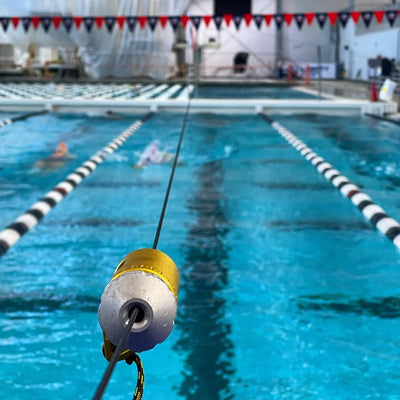
Swimming, an esteemed sport and beloved aactivity, has witnessed transformative advancements in training methodologies. At the forefront of this evolution is the GMX7 and David McCagg. Endorsed by over 175 Olympians and numerous swim programs, this cutting-edge device is redefining aquatic training's landscape. The X1 System's hallmark feature, its bidirectional resistance, enables swimmers to experience up to 50 meters of unrestricted movement, offering immediate stroke correction and alignment perfection. The device's design facilitates a spectrum of resistance levels, from zero to immovable, positioning it as an unparalleled tool for athletes keen on transcending their aquatic capabilities. The Power in Aquatic Resistance: A Deep Dive Enhanced Swimming Performance: Research consistently highlights the pivotal role of resistance training in improving swimming performance. Specifically, targeted, high-velocity resistance training programs have been shown to significantly enhance sprint performance by optimizing stroke rate and length (Crowley, Harrison, & Lyons, 2017). The GMX7 X1's design aligns with these findings, offering swimmers an innovative way to fine-tune their technique and speed. Strength and Muscle Development: Dry-land and aquatic resistance training contributes substantially to muscular strength and endurance, crucial for competitive swimming (Grant & Kavaliauskas, 2017). The X1 Aquatic Resistance System, by allowing for varied resistance levels, caters to the development of muscle groups specific to swimming, thereby augmenting performance and reducing injury risks. Improved Stroke Efficiency: Concurrent resistance training in water has been found to optimize sprint swimming performance and kinematics in competitive swimmers (Amara et al., 2021). Through its ability to mimic real swimming conditions while offering resistance, the X1 system stands out as an effective tool for improving stroke efficiency and overall swim mechanics. Versatility and Accessibility: The lightweight and portable nature of the X1 Aquatic Resistance System not only makes it ideal for a broad spectrum of swimming drills but also ensures it is accessible to swimmers of all levels. Whether used in a professional training facility or a home pool, the X1 facilitates a comprehensive and versatile workout regime, pivotal for progressive training adaptations. Revolutionizing Swim Training with Bidirectional Resistance The GMX7 X1 Aquatic Resistance System represents a significant leap forward in swim training technology. Its ability to offer bidirectional resistance, coupled with the potential for instant stroke correction and alignment improvement, positions it as an indispensable tool for swimmers aiming to elevate their performance. The GMX7 X1 Aquatic Resistance System presents a compelling solution for swimmers looking to enhance their performance through innovative training methods. Here are specific scenarios that leverage the capabilities of the X1 system to inspire swimmers toward achieving their goals: Enhanced Swimming Performance Scenario: Sprint Performance Enhancement Drill Objective: To increase stroke rate and length for sprint swimming. Implementation: Swimmers attach the GMX7 X1 to their waist and perform short, high-intensity sprints across the pool. The resistance level is set to a high-velocity setting, specifically targeting the muscles used in sprinting. Coaches monitor the stroke rate and length, providing real-time feedback for immediate technique adjustment. Outcome: Swimmers develop a more powerful stroke, improving their sprint performance over time. Strength and Muscle Development Scenario: Progressive Resistance Training Program Objective: To build muscular strength and endurance specific to swimming. Implementation: Swimmers use the X1 system during both dry-land and in-pool sessions. The program includes a variety of exercises, such as resisted swim drills, pull-outs, and break-outs, with gradually increasing resistance levels. This approach ensures targeted development of key muscle groups. Outcome: Enhanced muscle strength and endurance, leading to improved swimming performance and reduced injury risk. Improved Stroke Efficiency Scenario: Stroke Efficiency Optimization Session Objective: To refine stroke mechanics for efficiency and speed. Implementation: Swimmers perform a series of drills focusing on stroke technique under different resistance settings. The drills are designed to mimic real swimming conditions, allowing swimmers to adjust their strokes in response to the resistance, thereby finding the most efficient movement patterns. Outcome: Swimmers achieve a more efficient stroke technique, leading to better performance in competitive settings. Versatility and Accessibility Scenario: Accessible Training Program for All Levels Objective: To provide a versatile training tool accessible to swimmers at any level. Implementation: The X1 system is used in a variety of settings, from professional facilities to home pools, offering drills and resistance levels suitable for beginners to elite athletes. Training sessions are customized based on the swimmer's level, with the focus on gradually increasing the challenge as the swimmer progresses. Outcome: Swimmers of all levels have access to a comprehensive training tool, enabling continuous improvement and adaptation in their training regimen. Each of these scenarios showcases the unique benefits of the GMX7 X1 Aquatic Resistance System, from enhancing sprint performance and muscle development to improving stroke efficiency and providing versatile training options. By integrating the X1 into their training regimen, swimmers can push the boundaries of their performance, achieve their goals, and possibly redefine the standards of competitive swimming.
Read More →
Biomechanics and Isometric Contributions to Swimming
Swimming is a sport where every millisecond counts, and athletes continuously seek ways to improve their performance. Biomechanics and isometric training are two areas where science has shown significant benefits for swimmers, both in terms of technique enhancement and strength development. Enhancing Propulsion through Improved Biomechanics Biomechanics plays a crucial role in swimming by optimizing the swimmer's movements to maximize efficiency and speed in the water. The study of biomechanics focuses on the interaction between the swimmer, the water, and the forces involved, aiming to reduce drag while increasing propulsion. Key benefits include: Improved Stroke Technique: By understanding the mechanics of each stroke, swimmers can make adjustments to minimize resistance and maximize forward momentum. For instance, studies have shown that biomechanical analysis of stroke technique can lead to significant improvements in swimming speed by optimizing body position and stroke efficiency (Barbosa et al., 2010). Increased Propulsive Forces: Research on the biomechanics of swimming has highlighted the importance of generating strong propulsive forces through effective arm and leg movements. This includes optimizing the hand's pitch angle during the pull phase of strokes to enhance water grip and propulsion (Truijens & Toussaint, 2005). Isometric Training for Strength and Endurance Isometric training involves exercises where the muscle length does not change during contraction, such as holding a push-up position. This type of training offers several benefits for swimmers: Enhanced Muscular Endurance: Isometric exercises can increase muscular endurance, which is crucial for maintaining optimal stroke technique throughout races. A systematic review highlighted that isometric training, including holding positions that mimic the swim stroke, can significantly impact endurance capabilities (Oranchuk et al., 2019). Increased Strength Without Bulk: Isometric training helps build strength in a swimmer's specific positions without necessarily adding muscle bulk, which could increase drag in the water. Studies have found that isometric exercises lead to improvements in swim start and turn performance by strengthening the muscles used during these critical parts of a race (Beretić et al., 2013). Skills and Purpose Streamlining Stroke Technique: Biomechanical analysis helps swimmers refine their strokes to reduce drag and improve efficiency, directly translating to faster swimming speeds. Maximizing Propulsion: Understanding the physics of swimming allows athletes to adjust their technique to maximize propulsive forces, particularly through the water's catch and pull phases. Building Muscular Endurance: Isometric training enhances the ability of muscles to sustain prolonged effort, which is essential for maintaining stroke power over the course of a race. Strengthening Critical Movements: Focusing on isometric exercises that mimic swimming movements strengthens the specific muscle groups involved in starts, turns, and strokes, without the risk of bulkiness. For coaches and athletes alike, leveraging these insights can unlock new levels of speed and efficiency in the water. Implementing the skills for a swimmer with purposeful training using GMX7 training products, such as the X1-PRO, can significantly enhance performance through targeted scenarios. Here's how: Streamlining Stroke Technique Scenario: Using the X1-PRO with varied resistance settings during swim practices. Initial Assessment: Begin with a biomechanical analysis of the swimmer’s strokes using video feedback. Focus on identifying areas of high drag and inefficient movements. Drill Implementation: Incorporate drills with the X1-PRO set to low resistance to emphasize form and reduce unnecessary movements. Drills may include single-arm strokes, catch-up freestyle, and high-elbow drills to focus on smooth, streamlined movements. Progressive Resistance: Gradually increase the resistance on the X1-PRO as the swimmer’s technique improves, challenging them to maintain streamlined strokes under more demanding conditions, similar to swimming at higher speeds. Maximizing Propulsion Scenario: Conducting specific sets focusing on the catch and pull phases of each stroke with the X1-PRO. Catch Phase Drills: Utilize the X1-PRO at a moderate resistance level to perform drills that isolate the catch phase, such as sculling and single-arm pulls. This allows swimmers to feel the water more effectively and understand how slight adjustments can enhance propulsion. Pull Phase Enhancement: Increase resistance to focus on the pull phase, encouraging the swimmer to engage their core and back muscles more effectively to pull through the water with greater force. Feedback and Adjustment: Continuously use video analysis to provide feedback and make technique adjustments. This iterative process helps swimmers to visually understand the impact of their adjustments on propulsion. Building Muscular Endurance Scenario: Long-duration sets with the X1-PRO to simulate race conditions. Isometric Training Integration: Incorporate sets where swimmers use the X1-PRO with consistent resistance over longer distances or durations than their race. This not only builds endurance but also trains muscles to sustain effort with proper technique. Variable Intensity Sets: Alternate between periods of high resistance and lower resistance while maintaining the same stroke rate. This simulates the changing dynamics of a race and builds muscular endurance across different intensities. Strengthening Critical Movements Scenario: Targeted exercises that replicate the explosive movements in starts, turns, and strokes. Starts and Turns: Use the X1-PRO to practice the explosive leg movements required for starts and turns. Attach the device to the swimmer and have them execute repeated push-offs from the wall, focusing on the powerful use of leg and core muscles. Stroke-Specific Strength: Design isometric exercises with the X1-PRO that mimic the stroke movements, focusing on the muscles used in each phase of the stroke. This includes exercises for shoulder stabilization, core engagement, and hip rotation. Integration into Routine: Regularly include these targeted exercises in the swimmer's training routine, ensuring they are performed with attention to form and alignment to prevent injury and maximize strength gains without adding unnecessary bulk. By strategically incorporating the GMX7 X1-PRO into a swimmer's training regimen across these scenarios, you can effectively enhance stroke technique, propulsion, endurance, and strength in ways that are directly applicable to swimming performance.
Read More →GMX7 partners with leading organizations, coaches, and performance programs committed to advancing swimming through innovation, education, and athlete development.


GMX7 Joins Forces with Michael Andrew As He Sets Sights On The 2024 Olympics in Paris
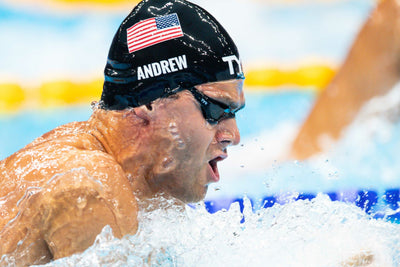
GMX7, the leader in aquatic resistance training, is delighted to announce a dynamic partnership with swimming sensation Michael Andrew as he embarks on his journey to the 2024 Olympic Games. This exciting collaboration promises to redefine the way athletes prepare for the world’s most prestigious sporting event. Michael Andrew, a prominent figure in the world of competitive swimming, has been rewriting the record books with his exceptional talent and innovative training methods. As he gears up for the 2024 Olympics, this partnership with GMX7 signifies his unwavering commitment to reaching new heights in the pool. GMX7 is a leading-edge aquatic resistance system that leverages cutting-edge technology and science to help athletes reach their maximum potential in the water. With its precision engineering, GMX7 offers smooth, adjustable resistance across the entire length of the pool, empowering swimmers to fine-tune their techniques, enhance their strength, and achieve peak performance levels. “Adding the GMX7 X1 to my training programs has helped me gain strength in my strokes quicker, while being able to maintain specific movements in the water under load” Michael Andrew expressed. This ultimately leads to faster swimming, and more confidence in the power being produced through each stroke taken.” Peter Andrew (father and coach) added “We believe in the formula stress plus rest = growth. With the GMX7 X1 we are able to stress the body faster than normal and see physical gains sooner. We travel all over the world and train in different facilities. The GMX7 is perfectly portable for carry on but packs a punch when being used in the pool!” Michael Andrew has already achieved remarkable milestones in the world of competitive swimming, representing the United States on the global stage and amassing a devoted global fanbase. The Olympic gold medalist in the 4×100 Medley Relay in Tokyo is looking to add to his medal collection in France. His commitment to pushing the boundaries and pursuing excellence aligns seamlessly with GMX7’s mission to provide athletes with the tools they need to excel. David McCagg, founder of GMX7, commented, “We are thrilled to be partnering with Michael Andrew on his journey to the 2024 Olympics. Michael’s relentless pursuit of excellence and his innovative approach to training make him the perfect fit for GMX7. We are confident that this partnership will not only help Michael reach new heights but also inspire athletes around the world to elevate their performance.” Fans and supporters can follow Michael Andrew‘s preparation for the 2024 Olympics, along with the partnership with GMX7, through Michael’s social media channels and GMX7’s website and social media. Link to Full SwimSwam Article
Read More →
7-time Olympic gold medalist Caeleb Dressel inks deal with GMX7 following record-breaking Tokyo Games
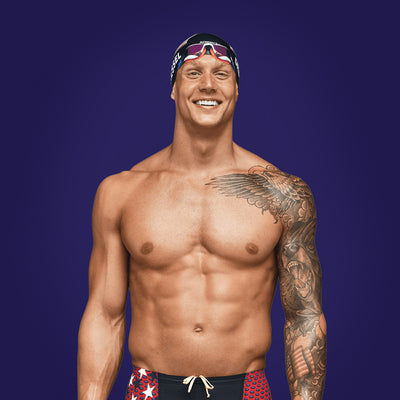
GMX7, a leader in aquatic resistance- training devices, announced Monday that Caeleb Dressel, the seven-time Olympic gold medalist who dominated the pools at the 2020 Tokyo Olympics, will be joining their team as an official ambassador. Dressel, who currently owns four world records and four Olympic records, prepared for the Summer Games by utilizing GMX7’s signature training device, the X1-PRO. Dressel would go on to win five gold medals at the Tokyo Olympics, where he became the first swimmer in history to win gold in the 50-meter freestyle, the 100-meter freestyle and the 100-meter butterfly, earning Dressel Sports Illustrated’s Athlete of the Year, FINA’s Male Swimmer of the Year, and Golden Goggle’s Male Athlete of the Year awards. “I’m sincerely thrilled my relationship with GMX7 is now official after training with their product over the past few years,” said Dressel. “I always look to form partnerships with businesses and organizations that I believe in—who support me. GMX7 joins a list of sponsors that do just that.” Other major companies partnered with Dressel include swimwear giant Speedo, which is also taking notice of GMX7. According to Speedo, the company plans to promote the X1-PRO swimming device to all Speedo-sponsored teams throughout the world after noticing the positive results of swimmers who use it. While the official partnership with GMX7 is recent, Dressel has been training with the X1-PRO since its initial testing two and a half years ago at the University of Florida. Dressel and other athletes under legendary Olympic coach, American Swim Coaches of America (ASCA) and 2021 Golden Goggle’s Coach of the Year Gregg Troy provided feedback and critiques during the product’s prototype phase, helping to shape the X1-PRO into what it is today. “GMX7 and the X1-PRO has been a natural fit for Caeleb,” said Troy. ”Our pro group has been using them for over two years starting with the testing. The regular use has been instrumental in our strength and power program. Beyond obvious benefits, it has increased efficiency and stroke corrections for Caeleb and the rest of our group.” Dubbed Team USA’s “golden boy” by Swimming World, Dressel joins 12-time Olympic medalist Ryan Lochte and 18-time all-American NCAA swimmer Madeline “Maddy” Banic as official spokespersons of GMX7. “Adding Caeleb to the GMX7 family is really special, primarily because of the role he’s played in helping shape the X1-PRO into what it has evolved into today,” said GMX7 CEO David McCagg. “Caeleb has trained on the X1-PRO from its inception and has shared his excitement with other coaches and swimmers, so it was only right that we brought him on as an official ambassador.” Dressel’s fellow Olympic swimmers also trained on the X1-PRO leading up to and during this year’s Olympics. Altogether, more than two-thirds of the U.S. swim team who medaled at the Tokyo Games trained with the X1-PRO. The device is currently being used at hundreds of schools, colleges and training facilities around the world and is available to the general public. With its lightweight, adjustable resistance, and ease of set up, McCagg says the X1-PRO is something that can be used by lap swimmers of all levels to improve their swimming skills.
Read More →
Olympic swimmers train with resistance tech developed in St. Pete
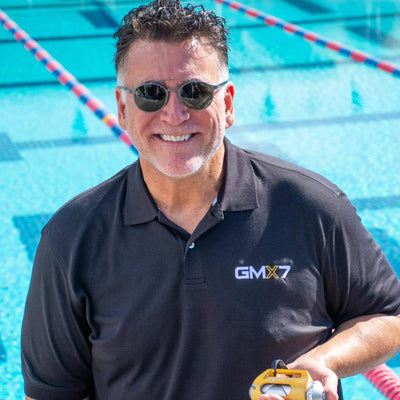
GMX7 was founded by David McCagg, a 7-time gold medalist, former world record holder and winner of multiple national championships. Photo: GMX7. While pandemic restrictions kept many swimmers dry in 2020, St. Pete company GMX7 was learning how to ready the world’s fastest freestylers for when the lanes reopened. Founded in 2018 by seven-time gold medalist swimmer and former world-record holder, David McCagg, the Downtown St. Pete company is known in the competitive swimming community for its top-of-the-line resistance training machine: the X-1 Pro. Read More
Read More →
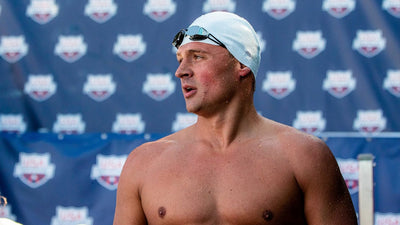
Olympian Ryan Lochte defies odds, sets personal records at age 36, seeks to become oldest swimmer to medal in Olympics thanks to secret weapon.
Read More →