


THE FUTURE OF SWIM PERFORMANCE STARTS HERE
GMX7 is helping redefine how athletes train for power, propulsion, efficiency, and control in the water. This is where you’ll find the latest company news, product updates, event announcements, athlete stories, and educational content designed to help swimmers, triathletes, coaches, and open water athletes train smarter and perform stronger.

A Revolutionary Approach to Aquatic Fitness
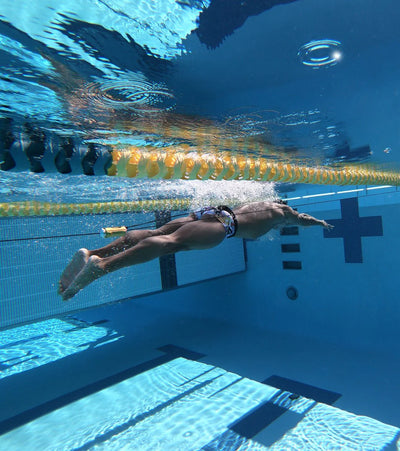
GMX7's introduction of the X1 Aquatic Resistance System is a groundbreaking development in the world of fitness and swim training. By providing smooth bidirectional resistance, instant stroke correction, and the freedom to swim up to 50 meters without interruption, GMX7 has redefined aquatic training. Endorsed by over 175 Olympians and numerous swim programs, the X1-PRO system offers a plethora of benefits for athletes worldwide. Transformative Aquatic Resistance Training Enhanced Cardiovascular and Physical Health: Aquatic resistance training significantly improves markers of cardiovascular health and physical capacity. A study demonstrated that participants engaged in aquatic exercises saw a notable decrease in body fat and diastolic blood pressure alongside an increase in fat-free mass and improvements in flexibility and strength tests, including sit-and-reach, knee push-ups, and squats (Colado et al., 2009). Injury Prevention and Enhanced Recovery: Incorporating resistance training into an athlete's regimen can significantly reduce the incidence of sports injuries by promoting the growth and strength of ligaments, tendons, and bone-to-muscle connections. This is particularly beneficial for aquatic athletes who require high levels of flexibility and joint stability (Fleck & Falkel, 1986). Improved Mobility and Muscle Strength: Studies on individuals with knee replacements have shown that aquatic resistance training results in maintained benefits in knee extensor and flexor power, which are crucial for swimming and other aquatic sports. Although mobility benefits may wane without ongoing training, the initial improvements indicate significant potential for athletes seeking to enhance their lower body strength and overall performance in the water (Valtonen et al., 2011). Neuromuscular Conditioning: Engaging in aquatic resistance training has been proven to improve muscle torque and neuromuscular performance significantly. This type of training results in noticeable improvements in the strength and size of knee extensors and flexors, demonstrating its efficacy for enhancing neuromuscular conditioning and overall athletic performance (Pöyhönen et al., 2002). By leveraging the unique benefits of aquatic resistance training, athletes can achieve significant improvements in cardiovascular health, injury prevention, mobility, muscle strength, and neuromuscular conditioning. The X1-PRO system is not just a tool for elite athletes but a transformative technology that reimagines the limits of aquatic training, enabling athletes to reach new heights in performance and health. To inspire a swimmer towards intentional fitness by leveraging the benefits outlined, we can create specific training scenarios utilizing GMX7Training. These scenarios aim to enhance cardiovascular and physical health, prevent injuries and enhance recovery, improve mobility and muscle strength, and boost neuromuscular conditioning. Enhanced Cardiovascular and Physical Health Program Objective: To improve cardiovascular health, reduce body fat, and increase fat-free mass. Weeks 1-4: Introduction to Aquatic Resistance Training Frequency: 3 sessions per week. Session Plan: Begin with 20 minutes of moderate-intensity swimming using GMX7Training resistance to create a base. Gradually increase intensity and duration to 30 minutes by the fourth week. Exercises: Incorporate specific drills focusing on arm strokes and leg kicks with resistance bands. Alternate between freestyle, breaststroke, and butterfly strokes to engage different muscle groups. Assessment: Measure flexibility and strength improvements through sit-and-reach tests and squats at the beginning and end of the 4-week period. Injury Prevention and Enhanced Recovery Program Objective: To strengthen ligaments, tendons, and bone-to-muscle connections, reducing the risk of sports injuries. Weeks 5-6: Resistance Training for Joint Stability Frequency: 4 sessions per week. Session Plan: Each session includes a warm-up followed by 30 minutes of swimming with varying resistance levels. Incorporate exercises specifically designed to target joint stability, like controlled kicks and exaggerated stroke cycles for length. Focus: Emphasize smooth, controlled movements to avoid overexertion. Include flexibility exercises and cool-down stretches to enhance recovery. Assessment: Track progress through the ability to perform exercises with increased resistance without discomfort or injury. Improved Mobility and Muscle Strength Program Objective: To enhance lower body strength and mobility, particularly benefiting swimmers with knee concerns. Weeks 7-8: Knee Strength and Flexibility Focus Frequency: 3 sessions per week. Session Plan: Begin with light resistance and focus on exercises that target knee extensors and flexors, such as leg curls and extensions with resistance. Gradually increase resistance as strength improves. Additional Activities: Include mobility exercises to maintain and improve range of motion. Assessment: Evaluate knee extensor and flexor power at the beginning, mid-point, and end of the program. Neuromuscular Conditioning Program Objective: To improve muscle torque and neuromuscular performance. Weeks 9-12: Intensive Aquatic Resistance Training Frequency: 4-5 sessions per week. Session Plan: Sessions include a comprehensive warm-up, followed by 20 minutes of high-intensity swimming with resistance. Focus on exercises that target neuromuscular conditioning, like explosive starts and sprints. Variety: Ensure a mix of strokes and resistance levels to engage different muscle groups and neuromuscular pathways. Assessment: Perform tests to measure improvements in muscle strength, size, and torque before and after the program. By tailoring the training to these specific goals and utilizing the unique properties of water resistance, swimmers can significantly enhance their fitness levels, prevent injuries, and improve their performance in the water.
Read More →
A Golden Embrace to a New Approach to Swimming with Resistance
In the competitive swimming arena, achieving international gold is a journey of both physical prowess, mental fortitude, and making your own ‘luck’. Drawing inspiration from swimmers like David McCagg, who revisited the sport with renewed vigor and innovation, this journey transcends coaching the mere act of swimming—it's about mastering resistance in the water to harness every swimmer’s personal potential. Embracing Revolutionary Training The path to personal success began with a shift in training philosophy for David McCagg. And his return to the swimming community 2 generations later was similarly motivated by the desire to offer something transformative to the pool, and it mirrors the journey of any goal oriented and processed approach. It isn't just about enduring tougher workouts; it's about engaging with every stroke more meaningfully, enhancing both technique and strength in the water. Making the most out of our time in the water. Rule Your Pool Integrating resistance training, as seen through the experiences of athletes like Ryan Lochte, involves a steep learning curve. The resistance doesn't just build muscle; it refines technique in real-time. Each session is a test of endurance and adaptability, pushing athletes to evolve from their conventional training routines. But the difficulty lies within the ability to focus on the tiny details that connect swimmers with the water. Harnessing True Potential As swimmers incorporate resistance training into their regimens, they often experience profound transformations. Upon reflection McCagg anecdotally notes the importance of alignment and precision in strokes, highlighting how proper technique, combined with resistance, unlocks a swimmer's awareness. This phase isn't just about getting faster; it's about refining one’s innate feel for the water. Celebrating and Sharing Achievements Yet achieving personal bests and breaking barriers is just one part of the journey. The true meat and potatoes lies in sharing these breakthroughs with others, much like McCagg’s encounters with grateful athletes and coaches. This communal aspect of swimming with resistance helps build a supportive network that fosters continuous improvement and collective success. Charting Your Victory Course Whether aiming for Olympic gold or personal improvement, the integration of resistance training into your swimming routine can be revolutionary. Inspired by the dedication of athletes and innovators like McCagg, who are committed to pushing the boundaries of what's possible in the water, this journey is about more than just medals—it’s about redefining limits. To explore more about the transformative impact of resistance training in swimming, inspired by stories of perseverance and innovation like those of David McCagg, check out the X1-Pro, follow reputable swimming training resources, and engage with local swimming communities. The path to mastering the water with resistance starts with a commitment to try, learn, and ultimately, enjoy your time.
Read More →
Can You Coach Feel for the Water?
Can You Coach Feel for the Water? Understanding and mastering the elusive concept of "feel for the water" is a cornerstone in the world of competitive swimming and water sports. Many swimmers, from beginners to Olympians, strive to enhance their feel for the water because it directly influences how effectively they can move through it. But is this seemingly intuitive aspect of swimming something that can actually be coached? And if so, how can technological advances and innovative training methods like those found here at GMX7 aid in this process? You feel like you're holding onto still waters. You feel that you have webbed fingers, and that you're just holding the water between them and you're moving with it so well, which obviously propels you forward. That’s I guess - that’s how I would look at it. -David McCagg What is "Feel for the Water"? Feel for the water refers to a swimmer's ability to sense the water around them, how it reacts to their movements, and how to manipulate it to move more efficiently. It involves a combination of proprioception (body awareness in space), tactile feedback from the water, and an intuitive understanding of fluid dynamics. This feel allows swimmers to make minute adjustments to their stroke for maximum efficiency and speed. Can You Coach It? While some athletes seem to have a natural affinity for the water, the ability to "feel" the water is not just an innate talent; it can indeed be coached. The key lies in developing sensory awareness and technical skill through consistent practice and focused drills. Coaches play a crucial role in guiding swimmers to pay attention to how the water feels during different strokes and maneuvers, helping them interpret these sensations to improve technique. How GMX7 Creates Unstructured Learning GMX7 is known for its innovative approach to swim training, and we offer tools and methods that can significantly enhance a swimmer's feel for the water. Our flagship product, the X1-PRO, is a dynamic resistance training system that allows swimmers to work against varying levels of resistance. Here’s how it helps develop a better feel for the water: Enhanced Proprioceptive Feedback: By increasing resistance, the X1-PRO makes the swimmer more aware of their body's position and movements in the water. This heightened awareness helps swimmers refine their strokes to be more effective. Proprioceptive feedback is crucial for motor control and sports performance. Studies have shown that enhancing proprioceptive feedback can improve athletic performance by enhancing the control and execution of movements, which is beneficial for swimmers aiming to refine their strokes (Marchisano, Vallis, & Macfie, 2000). Repetition as a Time Saver: The device allows swimmers to practice strokes repeatedly under consistent conditions. Repeating a well-practiced movement, such as a swim stroke, leads to a reduction in the variability of the movement. This means that the movements become more consistent and precise over time. This effect is beneficial not only within a single training session but also across multiple sessions, making the movement more automatic and intuitive Sutter et al., 2021. Immediate Sensory Feedback: Training with devices like the X1-PRO offers real-time feedback. Swimmers can feel the effects of adjustments in their technique immediately, learning quickly what works and what doesn’t. Immediate feedback during training enhances learning and performance adjustments. Studies in sports training emphasize the importance of immediate feedback in refining technique and accelerating skill acquisition, crucial for swimmers to adjust their strokes efficiently (Baca & Kornfeind, 2006). Customizable Training: The adjustable resistance and versatility of the X1-PRO mean that swimmers at all levels can tailor their training to their specific needs, focusing on different aspects of their stroke and enhancing their feel for the water incrementally. This personalized approach helps in incrementally improving their technique and adapting to higher levels of training intensity, ultimately leading to better performance (Weakley et al., 2019). Coaching Tips for Developing Feel for the Water For coaches incorporating GMX7’s training tools, here are some strategies to help swimmers develop a better feel for the water: Focus on Awareness: Use specific drills that isolate parts of the stroke to enhance sensory awareness. Drills that emphasize slow, smooth movements can help swimmers find that feel for the water. Incorporate Resistance Training: Tools like the X1-PRO can amplify how the water feels against the body, making it easier for swimmers to understand and adapt their movements. Encourage Mindful Swimming: Teach swimmers to be mindful of every stroke, focusing intensely on the sensations of water moving around them and how slight changes affect their speed and efficiency. Video Feedback: Use video analysis to show swimmers their movements in the water, complementing their sensory experiences with visual feedback. Moving the x1-Pro to immovable resistance make video assessment of a stroke pattern even simpler. Bottom Line While feel for the water may seem like a mystical skill reserved for the naturally talented, it is definitely a teachable aspect of swimming. With the right coaching techniques and the aid of innovative training tools like those provided by GMX7, swimmers of all levels can enhance their understanding and mastery of this crucial element. As technology and training methods continue to evolve, the ability to coach and improve a swimmer's feel for the water becomes more achievable, promising exciting advancements for the future of swimming.
Read More →
We're delighted to welcome Michael to the GMX7 family!
GMX7, the leader in aquatic resistance training, is delighted to announce a dynamic partnership with swimming sensation Michael Andrew as he embarks on his journey to the 2024 Olympic Games. This exciting collaboration promises to redefine the way athletes prepare for the world’s most prestigious sporting event. Michael Andrew, a prominent figure in the world of competitive swimming, has been rewriting the record books with his exceptional talent and innovative training methods. As he gears up for the 2024 Olympics, this partnership with GMX7 signifies his unwavering commitment to reaching new heights in the pool. “Adding the GMX7 X1 to my training programs has helped me gain strength in my strokes quicker, while being able to maintain specific movements in the water under load” Michael Andrew expressed. This ultimately leads to faster swimming, and more confidence in the power being produced through each stroke taken.”
Read More →GMX7 partners with leading organizations, coaches, and performance programs committed to advancing swimming through innovation, education, and athlete development.


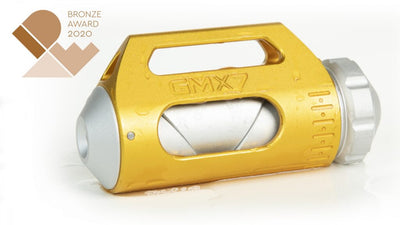
The X1-PRO Wins Coveted 2020 International Design Excellence Award
ST. PETERSBURG, Fla. – At the 2020 International Design Excellence Awards virtual ceremony, GMX7 and ROBRADY design were honored with a Bronze Award by the Industrial Designers Society of America. This is a testament to the ingenuity of the X1-PRO, as this award is one of the most sought after in international design. About GMX7Founded in 2018, GMX7 is based in St. Petersburg, Florida and is dedicated to changing the world of swimming by empowering competitive swimmers with the best aquatic resistance training devices ever created. GMX7 was founded by David McCagg, a 7-time gold medalist, former world record holder and winner of multiple national championships. The first device on the market by GMX7 is the X1-PRO. Designed by ROBRADY Engineering, it has already been the recipient of several awards including the 2020 International Design Excellence Award and the 2020 Red Dot Award for product design. For media-related inquiries, please contact our PR Firm at news@judgepr.com or by calling 813.279.8335.
Read More →
Virginia collegiate swim programs seeking competitive advantage, add game changing new training device to improve athletic performance
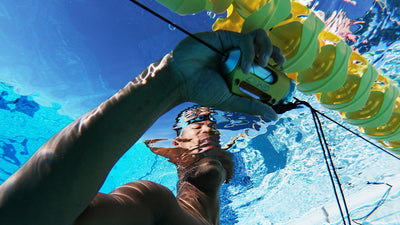
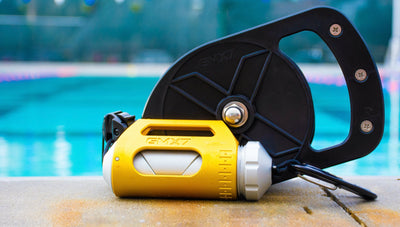
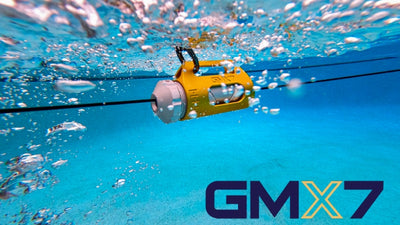
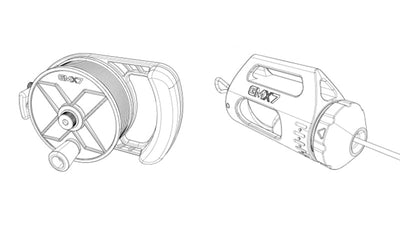
RICHMOND, Va. – Collegiate institutions across Virginia have adopted GMX7’s revolutionary new training device called the X1-PRO in an effort to gain an advantage over their swimming competitors and pursue championships. Since November, Liberty, Virginia Tech the University of Richmond have all adopted the X1-PRO and are continuing to increase the devices they have on-hand. The X1-PRO is a small, 6-inch-long device with adjustable resistance that weighs less than 5 pounds and clips into the end-point connections for a pool’s lane lines. It can then be connected to the swimmer via a leash and travels on a line back and forth up to 50 meters in length at the adjustable resistance the swimmer desires. “We love our X1-PRO’s at Liberty and we use them 3-4 times per week. Coaches are only limited by their creativity when using this device. Whether for pure power, post-activation potentiation, power endurance, kicking, or drilling, the X1-PRO delivers it all,” said Liberty Head Coach Jake Shellenberger.“In regards to power endurance specifically, the ability to go 50 meters is a game changer, and the X1-PRO is just as beneficial for distance swimmers as it is for sprint types.” University of Richmond has reportedly also seen the benefits. “The Richmond women immediately commented on the deceptively smooth resistance,” said University of Richmond Head Coach Matt Barany. “The coaches are excited, as these compact devices do not clutter our small pool deck. Further, the X1-PRO appears to have limitless applications and we’re inspired to re-imagine our training at Richmond.” In addition to Liberty and University of Richmond, Virginia Tech’s powerhouse swim program has also adopted the X1-PRO. “The X1-PRO is an essential resistance training tool that every coach should have and use with their swimmers. It is very simple to set up, easy to maintain and barely uses any storage space. You can use it every day to work on developing power/speed on the start, turns, underwaters and breakouts,” said Sergio Lopez, head coach of swimming at Virginia Tech “It’s also, a great tool to use with low resistance to work on technique correction and stroke awareness. The fact that the X1-PRO is so portable makes it an essential piece of equipment to take to training camps and competitions to be able to keep working in developing and improving the stroke technique and conditioning.” It’s not just schools in Virginia, either. More than 75 anticipated Olympians from 10 countries across the world are training on the X1-PRO in hopes of qualifying for the Tokyo Olympics. From reigning 100-meter butterfly world-record holder and 2-time Olympic gold medalist Caeleb Dressel, to 6-time Olympic gold medalist Ryan Lochte, who holds the world record for the 200-meter individual medley, the X1-PRO, assembled in the USA by GMX7, is quickly becoming a necessity for all levels of competitive swim, especially those collegiate swimmers working so hard to get to the very top of their sport. “When coaches and their athletes witness the results of swimmers training on the X1-PRO regularly, it’s only natural that these programs start to incorporate this level of training more frequently,” said David McCagg, founder and CEO of GMX7. Development of the X1-PRO began in 2018, and it was tested extensively at the University of Florida prior to becoming available to the general public earlier last year. About GMX7Founded in 2018, GMX7 is based in St. Petersburg, Florida and is dedicated to changing the world of swimming by empowering competitive swimmers with the best aquatic resistance training devices ever created. GMX7 was founded by David McCagg, a 7-time gold medalist, former world record holder and winner of multiple national championships. The first device on the market by GMX7 is the X1-PRO. Designed by ROBRADY Engineering, the X1-PRO has already been the recipient of several awards including the 2020 International Design Excellence Award, 2020 Red Dot Award and most recently the Good Design Award in 2020. For media-related inquiries, please contact our PR firm at 813.279.8335 or by emailing news@judgepr.com.
Read More →
We are proud to announce the X1-PRO has won a Good Design Award in 2020
ST. PETERSBURG, Fla. – While Caeleb Dressel may not be a household name just yet, he is taking the swimming world by storm and projected to win 6-8 gold medals in the Tokyo Olympics in 2021. Dressel, a 24-year-old Olympic gold medalist from Green Cove Springs, Florida, smashed two world records and took home MVP honors while competing at the International Swimming League in Budapest, Hungary, late last month. “Watching Caeleb swim is absolutely astonishing,” said David McCagg, founder and CEO of GMX7. “Michael Phelps, set the standard as the greatest Olympic athlete of all time and Dressel is now dominating the swim world and shredding world records, taking the title of the greatest swimmer on the planet today. The times he is producing are leaving all of us in the swim world speechless.” Dressel, who had already broken Phelps’s world record in the men’s 100 meter butterfly in South Korea last year, set two more world records during ISL in Budapest, amazing the entire professional swimming world. While many people may wonder how once impossible records are now being shattered, the experts at GMX7 credit part of his success to their new training device, the X1-PRO, which allows Dressel to train with true resistance. “Our X1-PRO may look like a simple device, and while it weighs less than 5 pounds and can fit in a small backpack, it’s actually revolutionizing aquatic resistance training,” said McCagg. “What makes it better than anything before it, is that any level swimmer can take it with them wherever they go, clip into the existing swim lane markers and add resistance to their training at the level they are comfortable with.” It’s not just Dressel who has seen major results since using the X1-PRO. Madeline “Maddy” Banic, who had been somewhat written off following personal struggles with mental health issues in 2017, exploded back onto the scene this year, breaking the American record in the 50 meter fly, and was recently ranked #3 on SwimSwam.com’s list of top 10 swimmers who broke through the 2020 ISL season. “While we’re not taking anything away from Banic’s or Dressel’s undeniable athleticism, we are confident that the X1-PRO is allowing them to train at a higher level than previously possible,” said McCagg. Currently, more than 75 anticipated Olympians from 10 countries across the world are training on the X1-PRO in hopes of qualifying for the Tokyo Olympics. Additionally, several collegiate level athletic programs, including the University of Florida and the University of Tennessee, where Dressel and Banic train respectfully, are also currently training on the device. The X1-PRO is a small 6-inch long device with adjustable resistance that weighs less than 5 pounds and clips into the end-point connections for a pool’s lane lines. The X1-PRO is connected to the swimmer via a leash and travels on a line back and forth up to 50 meters in length. “Consider the traditional rotary phone to the technology we have now with smartphones, that’s the leap we’ve made in comparison to resistance training in the water,” said McCagg. “The X1-PRO will help perfect the athlete’s stroke efficiencies and alignment with zero drag, establishing an entirely new opportunity to gain a competitive advantage.” About GMX7Founded in 2018, GMX7 is based in St. Petersburg, Florida and is dedicated to changing the world of swimming by empowering competitive swimmers with the best aquatic resistance training devices ever created. GMX7 was founded by David McCagg, a 7-time gold medalist, former world record holder and winner of multiple national championships. The first device on the market by GMX7 is the X1-PRO. Designed by ROBRADY Engineering, in its first year has already been the recipient of several awards including the 2020 International Design Excellence Award and the 2020 Red Dot Award for product design. For media-related inquiries, please contact our PR Firm at news@judgepr.com or by calling 813.279.8335.
Read More →
GMX 7 on ABC Action News
ST. PETERSBURG, Fla. – GMX7 featured on ABC Action News Watch the Video
Read More →